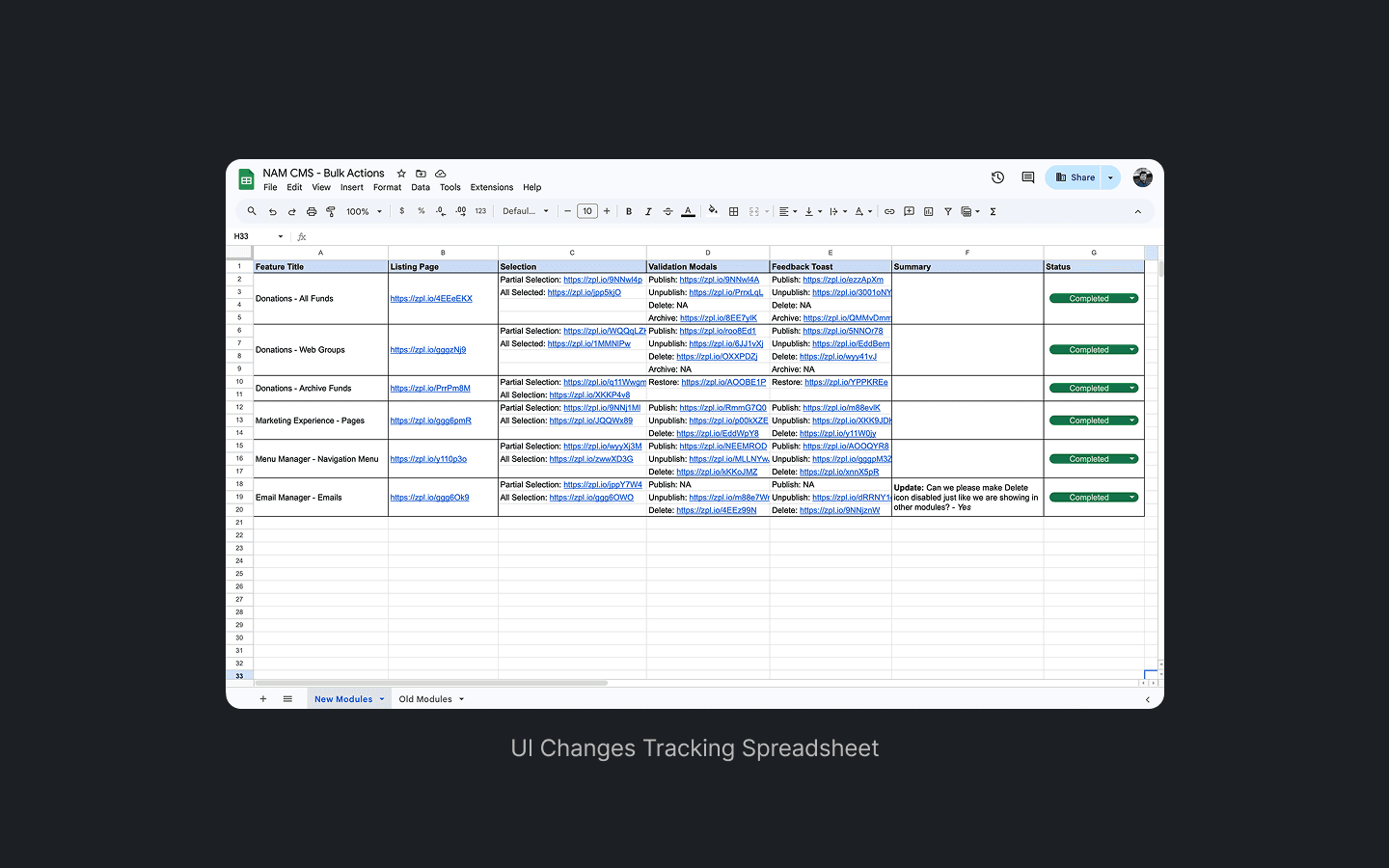
Audited 8+ modules, unified 3 engineering teams, and created a self-sufficient design standard, without a single ticket on anyone's roadmap.
Client
Ticketmaster
Services
Product Design · Design Systems · Cross-team Alignment
Industries
Live Entertainment · Enterprise SaaS · Ticketing
Date
2024
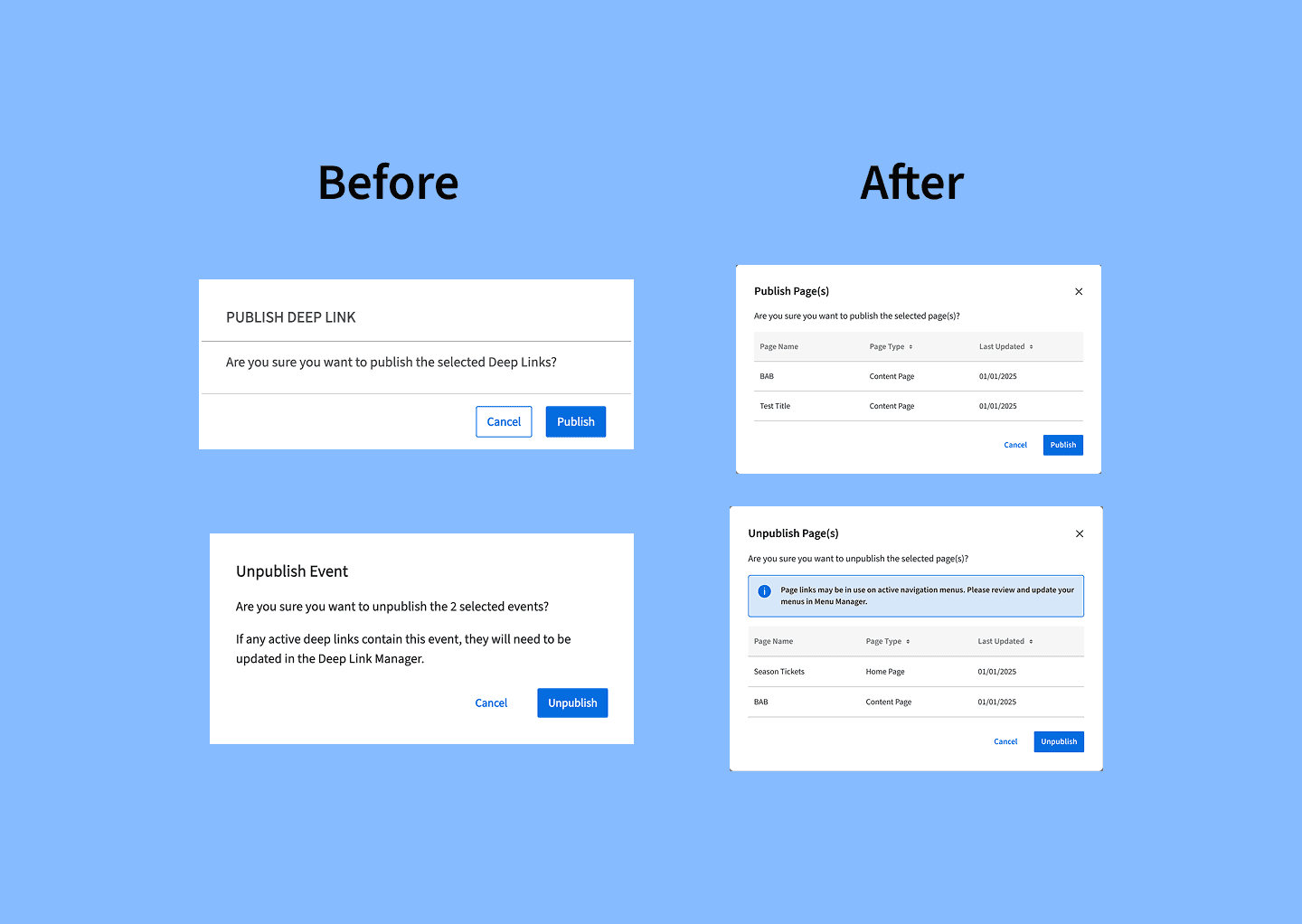
The tempting move was to design the "correct" pattern upfront and map modules to it. I'd seen that fail, when you start with the answer, you miss the edge cases existing implementations were actually solving for. The audit came first. It surfaced inconsistencies across Copy, UI pattern, and Interaction design, structured around why, not just what. Every pattern decision included a rationale so teams could handle edge cases without returning to design.
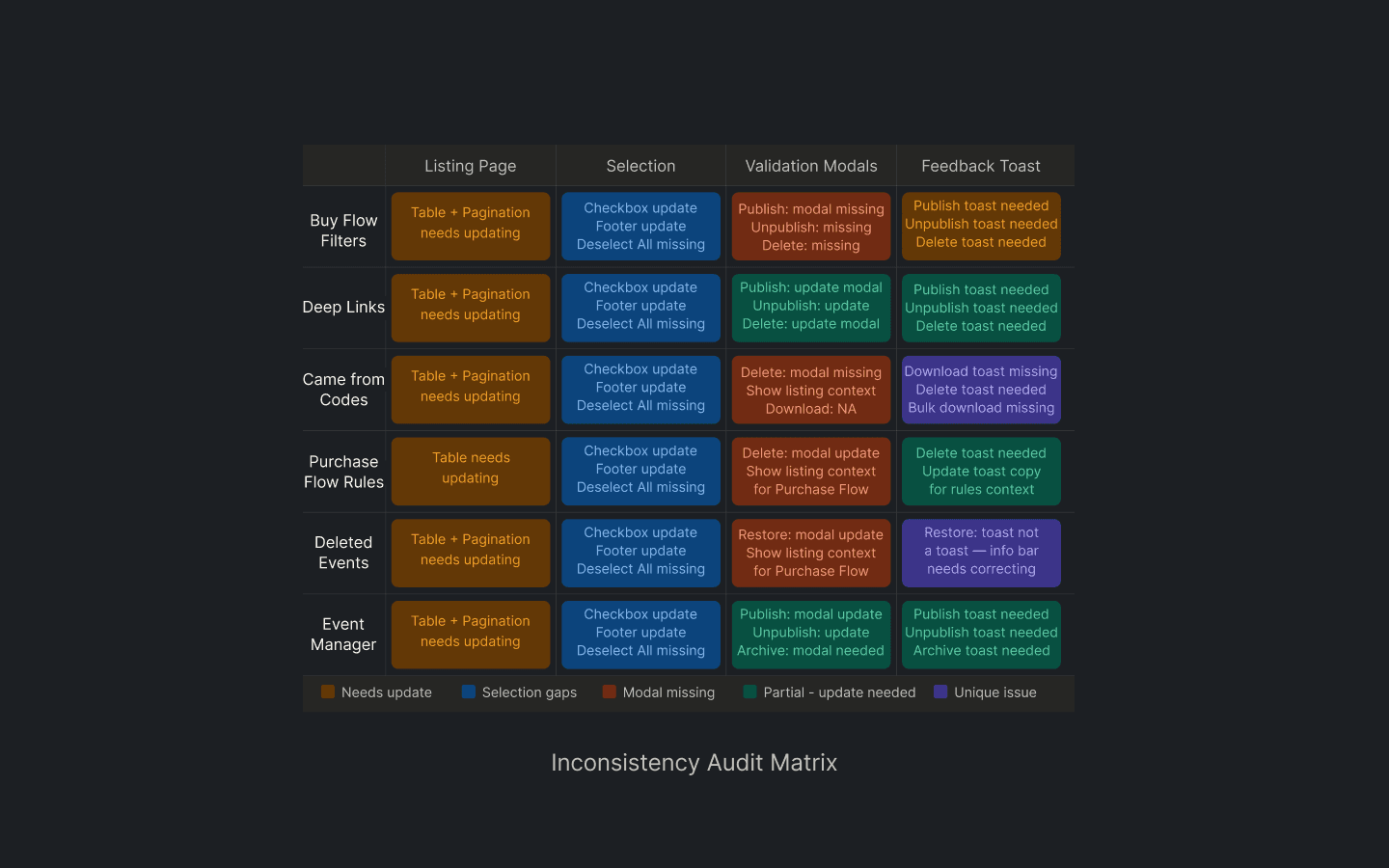
The alignment move: all three teams in the same room simultaneously. No sequential briefings. Presenting alignment work to separate teams sequentially is how alignment work dies, each team hears a slightly different version and you end up with three teams who've each agreed to something marginally different. One simultaneous cross-team session, all PMs, design leads, and engineering leads together. Module-by-module current state vs. proposed standard, with implementation effort estimates alongside each UI change. It shifted the conversation from "will you approve this" to "how do we prioritise this."
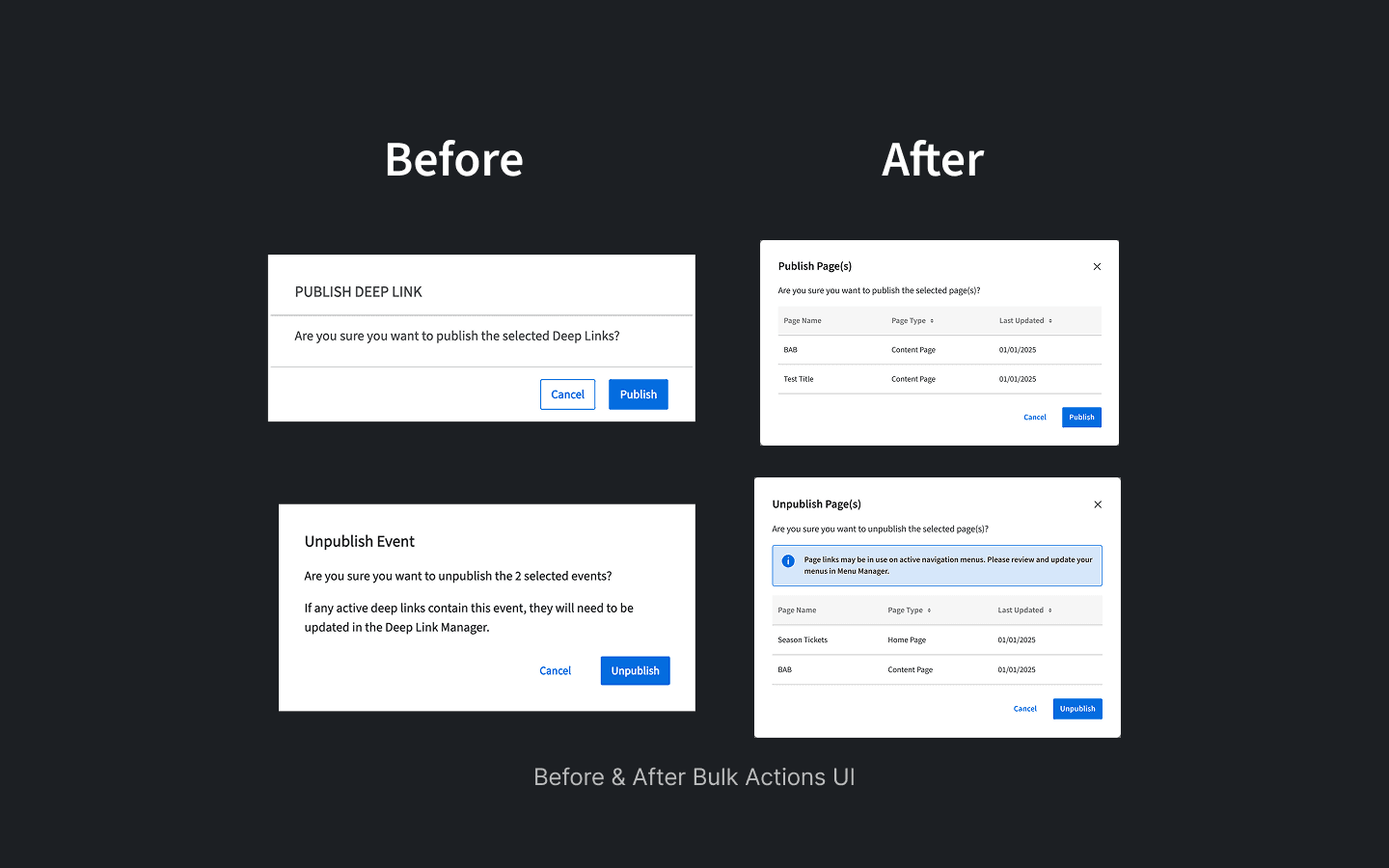
8+ modules brought to a single consistent bulk actions standard. 3 engineering teams coordinated in one simultaneous session, no sequential briefings. The real proof: a PM I hadn't worked with used the bulk actions documentation to brief the Event Manager team without looping me in. 0 design involvement required for subsequent module alignments. The documentation ran itself.